
Engaging Anglers in the Fight Against Plastic Pollution
Plastic Pollution in the Great Lakes
The Great Lakes are vital to the livelihoods, cultural traditions, and recreation of communities across the region. Our work related to plastic pollution, including through our Great Lakes Plastic Cleanup, has highlighted the significant impact it is having on Great Lakes ecosystems, water quality, and human health.
Engaging the Recreational Fishing Community

The recreational fishing community has a strong connection to local waterways across the Great Lakes and often sees the impacts of plastic pollution firsthand. Involving the community in plastic pollution prevention is essential to ensuring clean water and healthy fish populations for current and future generations.
With generous support from the Ontario Ministry of the Environment, Conservation and Parks’ Great Lakes Local Action Fund, and in collaboration with the Ontario Federation of Anglers & Hunters (OFAH), Pollution Probe launched a new initiative aimed at engaging the Great Lakes fishing community around plastic pollution prevention and reduction.
The initiative sought to learn more about specific experiences with plastic pollution given the fishing community’s connection to our local waterways and the important role that they play in protecting them. These insights informed the development of educational materials reflective of the needs of the fishing community, the installation of receptacles to make the disposal of fishing gear even easier and the development of targeted upstream solutions to plastic pollution.
Community Survey
In the spring of 2025, Pollution Probe launched a survey targeting recreational fishers in the Great Lakes region to gain a better understanding of their experiences, concerns, and ideas related to plastic pollution in local waterways. The survey was developed with valuable input from our partner, Ontario Federation of Anglers and Hunters (OFAH).
Survey results were used to inform the installation of fishing line recycling receptacles across the Great Lakes and the development of a Plastic Pollution Prevention Toolkit that provides guidance for the recreational fishing community and the broader public on best practices for reducing plastic pollution and options for waste disposal.
The survey received responses from across the recreational fishing community, including from individuals from racialized and visible minorities, Indigenous groups, 2SLGBTQIA+ communities, persons with disabilities, women, and newcomers to Canada.
The survey was also published in OFAH’s Ontario OUT of Doors Magazine, Canada’s most widely read outdoors magazine, with a readership of approximately 90,000 subscribers!
Key Findings
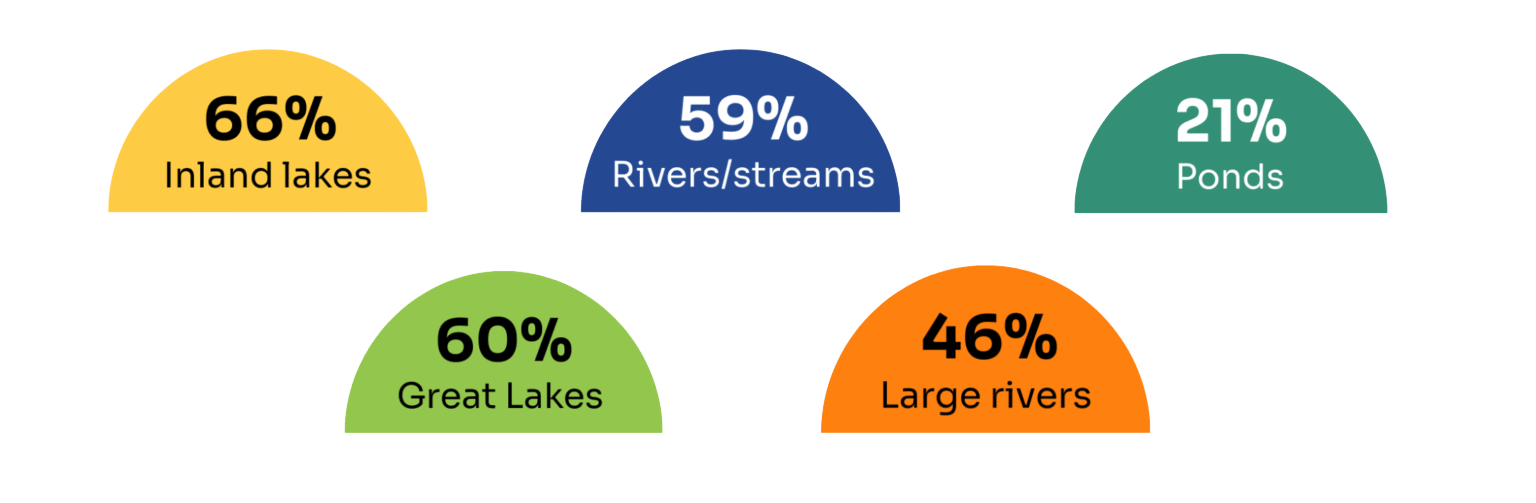
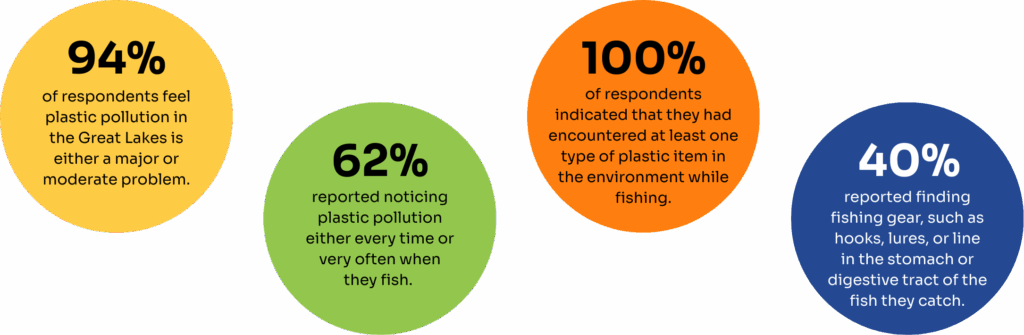
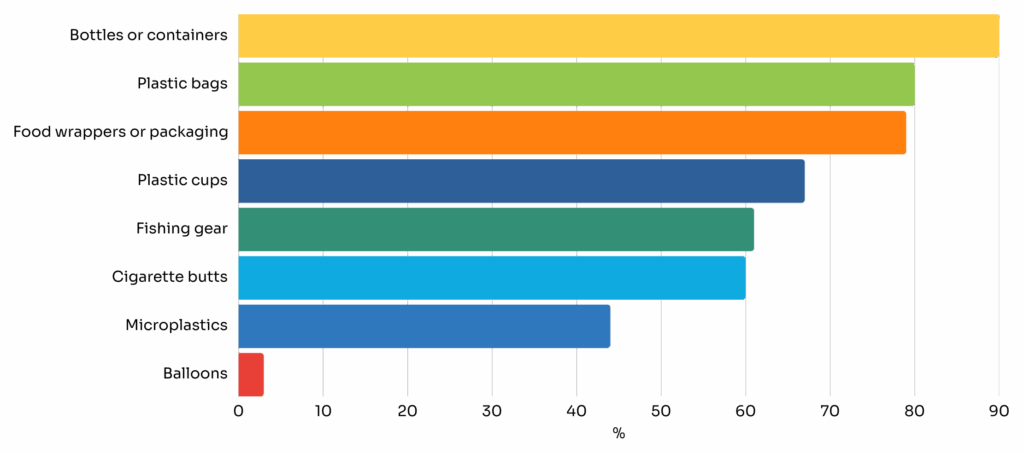
These findings show that plastic pollution is widespread across fishing locations in the Great Lakes region and a visible part of the fishing community’s experiences on the water. This highlights an urgent need for collective action to prevent litter from entering waterways and to protect the health of the lakes and the communities that depend on them.
Receptacle Installation
Fishing Line
Based on the survey findings, there are several barriers to appropriate disposal and recycling practices for fishing-related materials, such as fishing line. These include a lack of convenient disposal locations, a lack of knowledge about where fishing line or other receptacles are located, uncertainty about how to recycle gear, and insufficient garbage or recycling bins near fishing sites.
To address these challenges, Pollution Probe built and installed close to 40 fishing line recycling receptacles in high-traffic fishing locations across the Great Lakes, including Lake Erie, Lake Huron, Georgian Bay, Lake Simcoe, and Lake Ontario, in partnership with municipalities, conservation authorities, marinas and not-for-profit organizations. The collected line will be shipped for recycling.
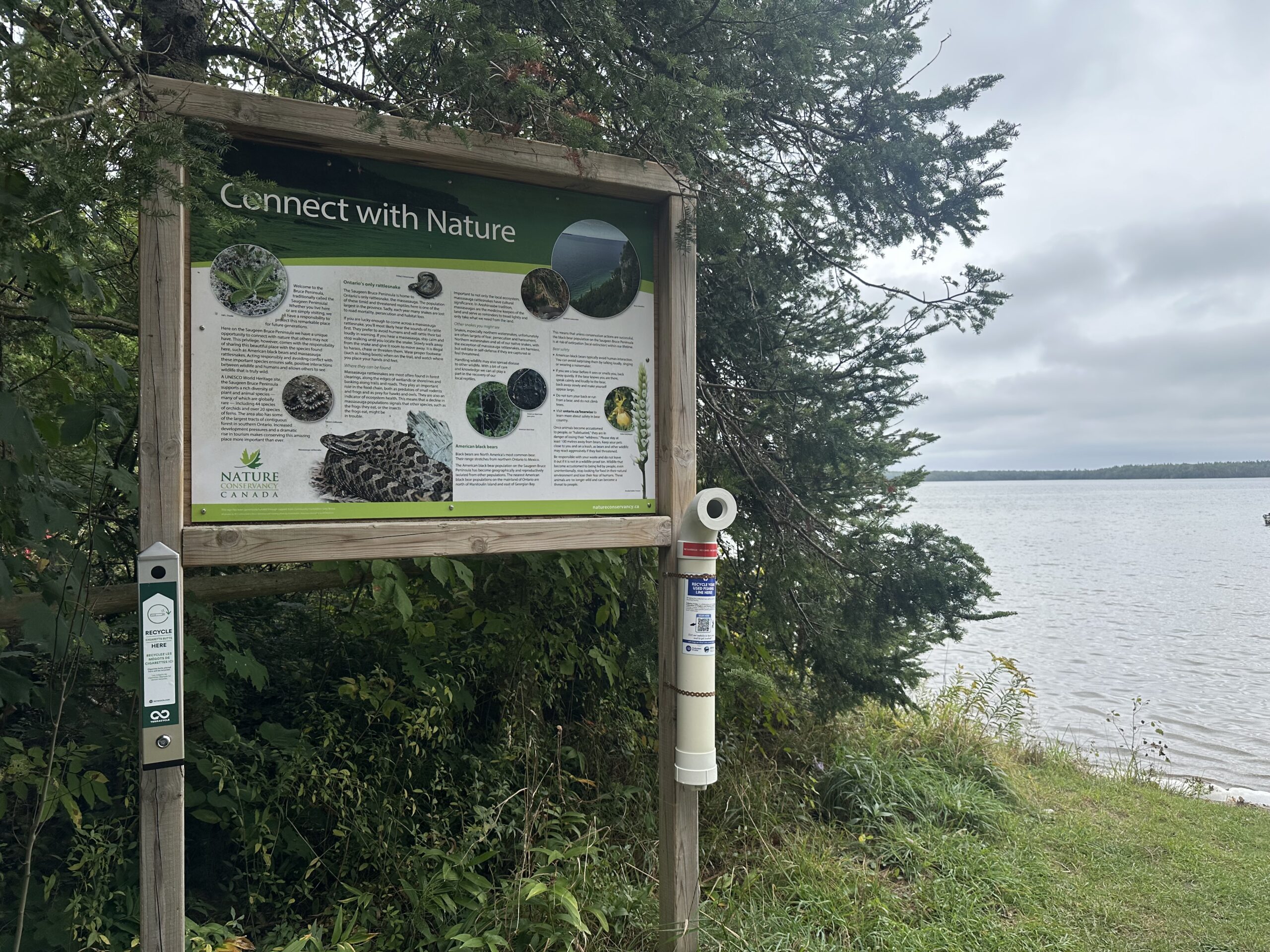
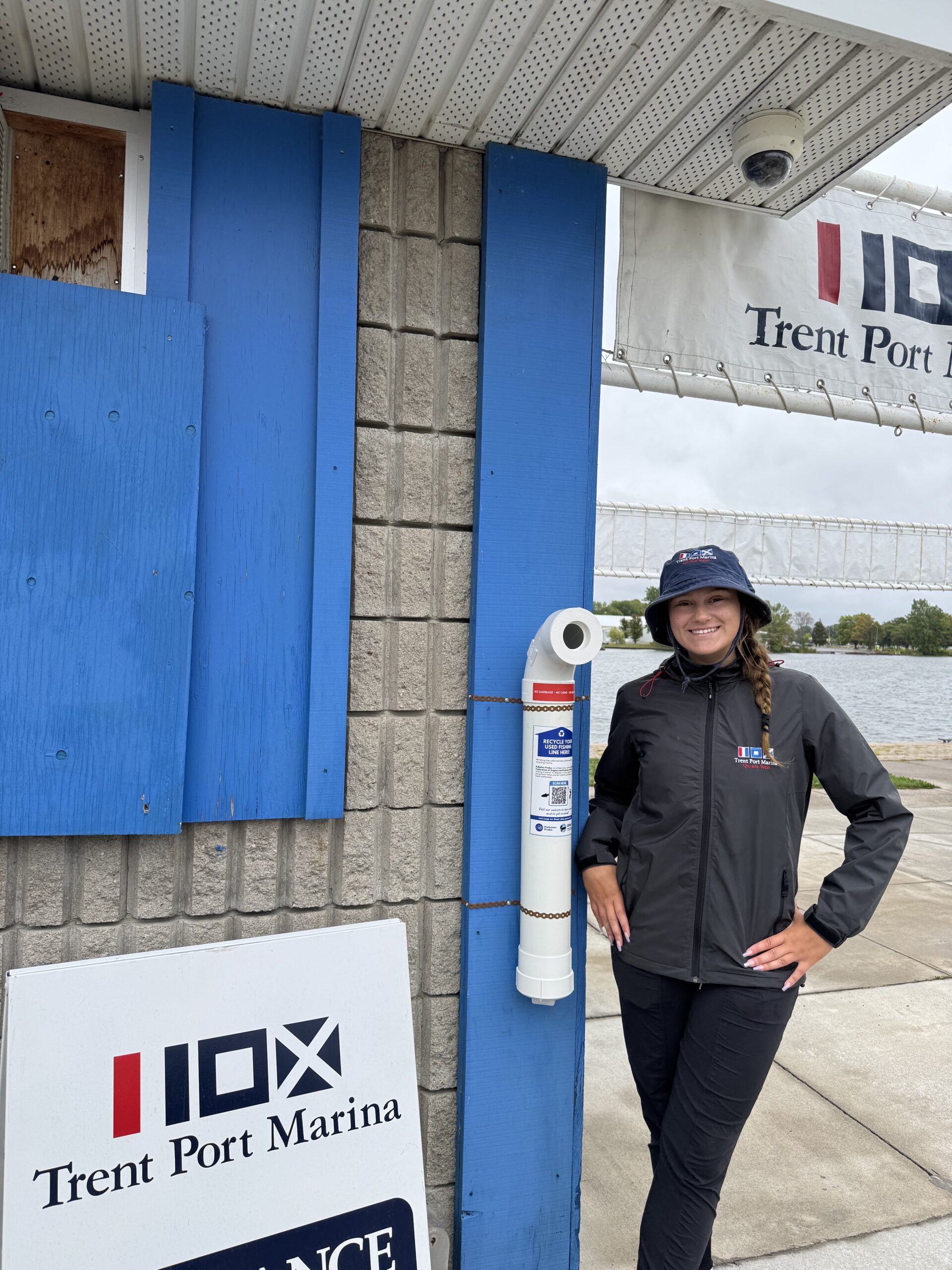
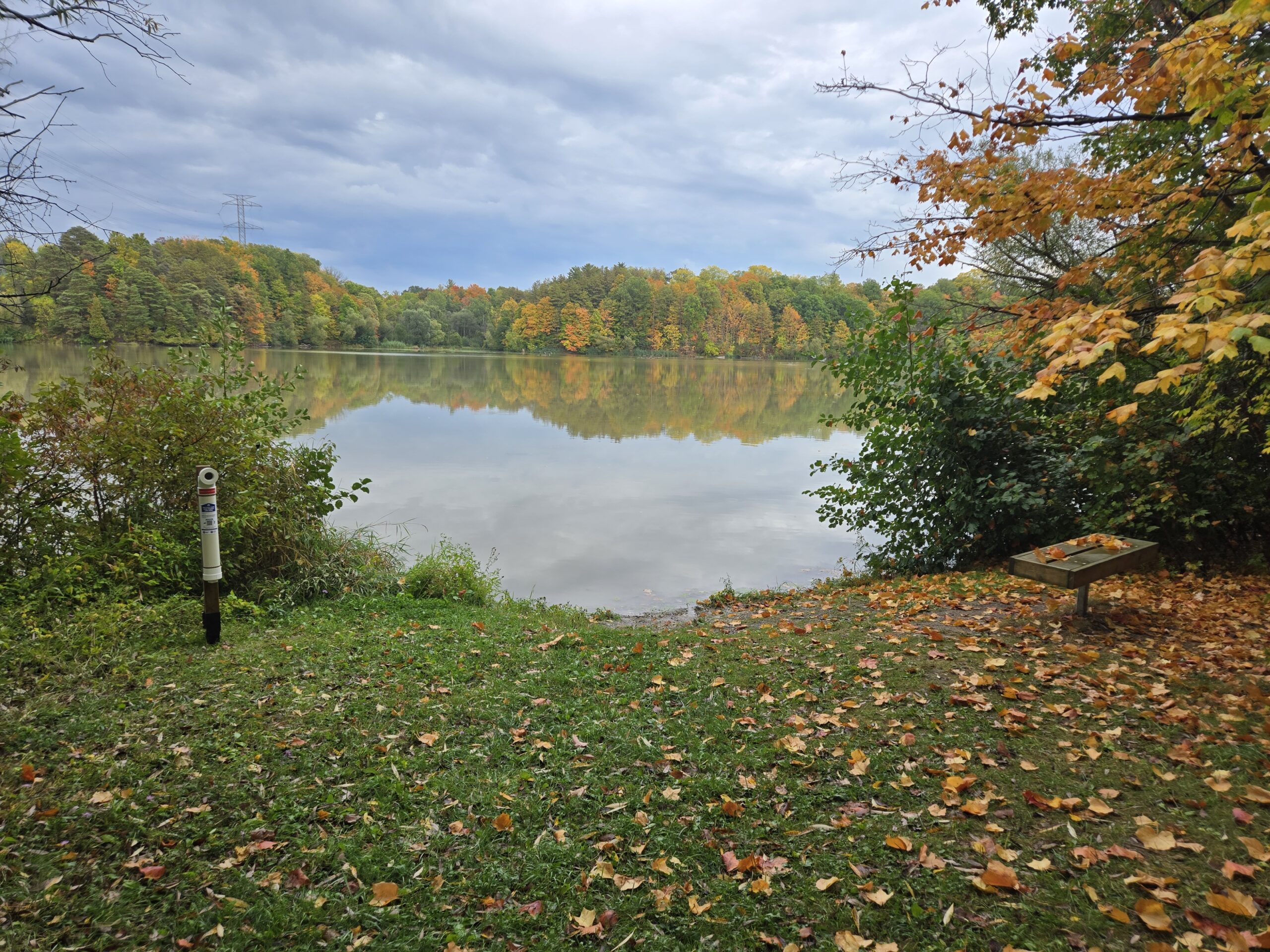
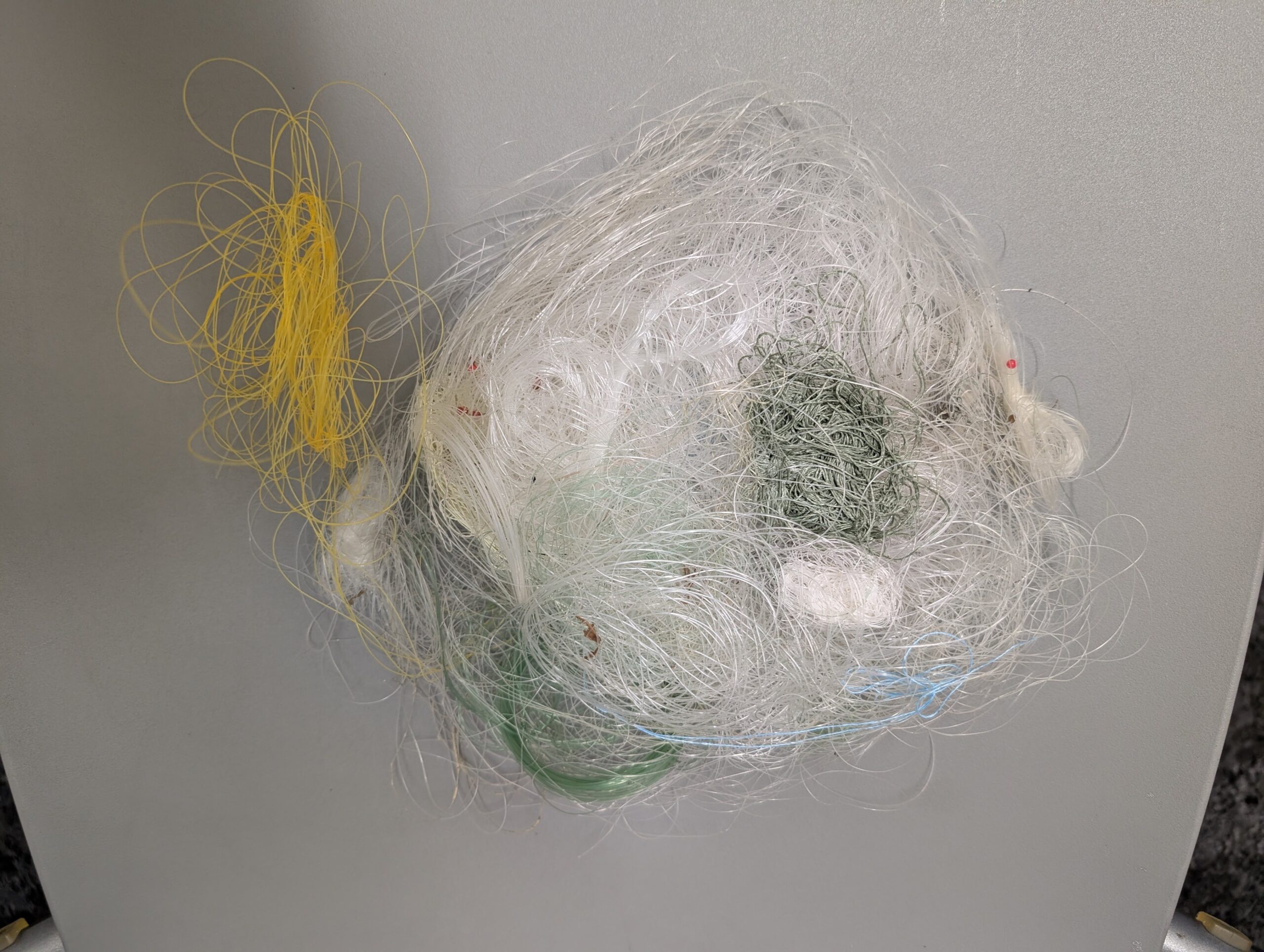
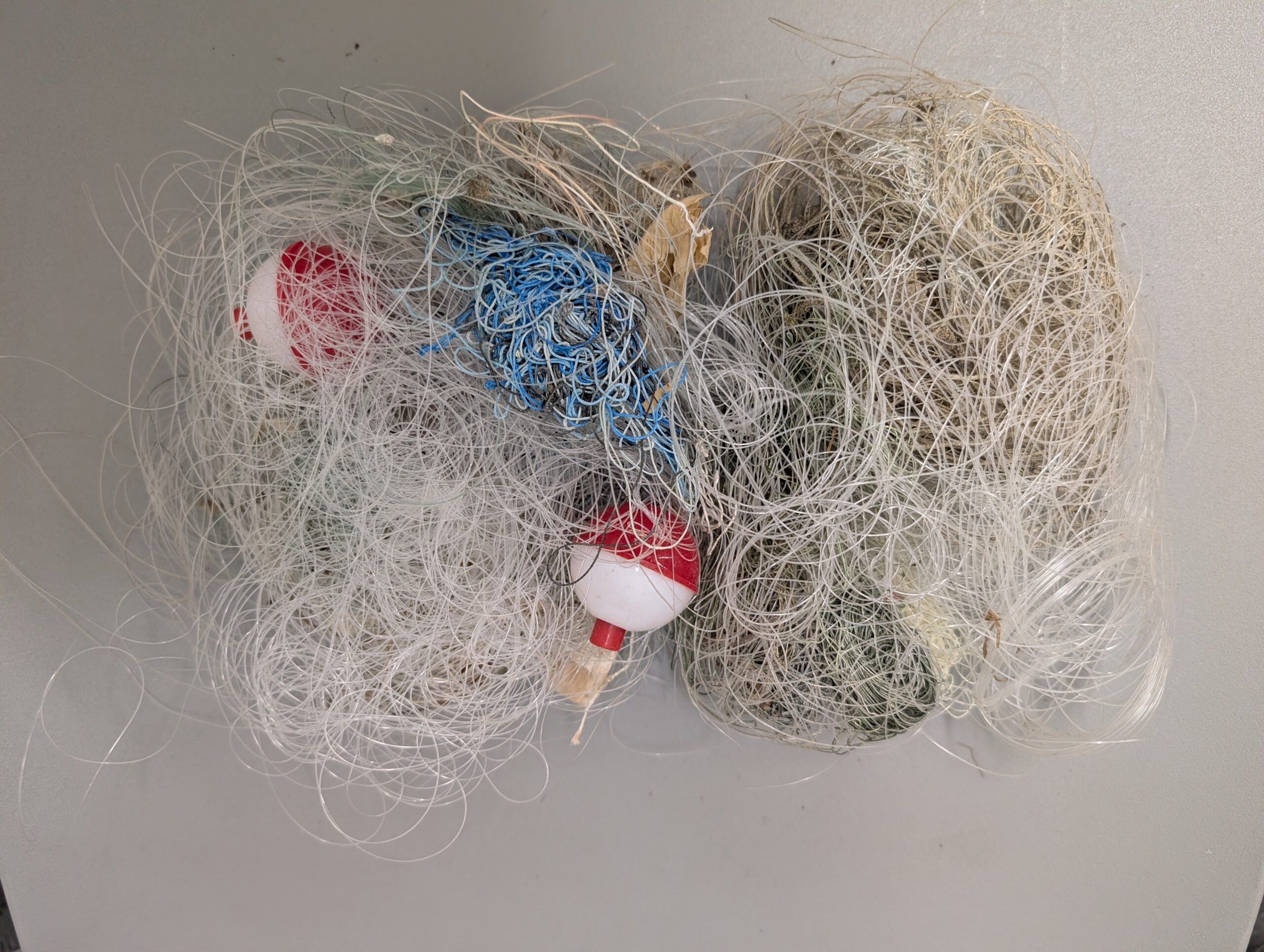
With the support of our partners, we were able to collect and recycle fishing line from these sites in 2025. Here’s a look at some of the fishing line collected and sent for recycling so far!
Cigarette Butts
Approximately 39% of survey respondents indicated that they have never seen a cigarette butt recycling receptacle while out fishing, despite seeing large quantities of these plastic pieces.
Pollution Probe and its partners have made it easier for community members to recycle cigarette waste by installing 20 dedicated recycling receptacles, with all collected waste to be recycled.
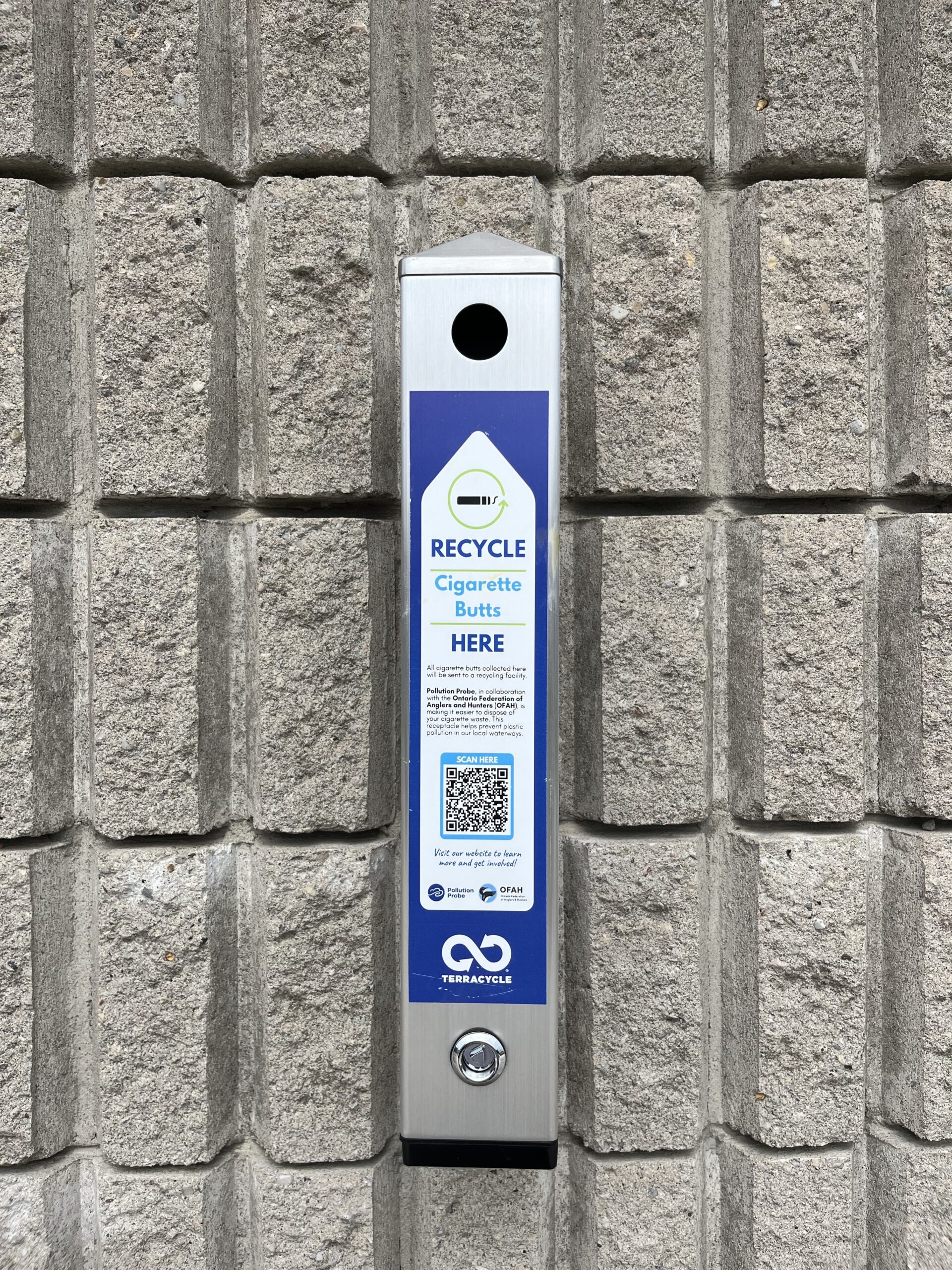
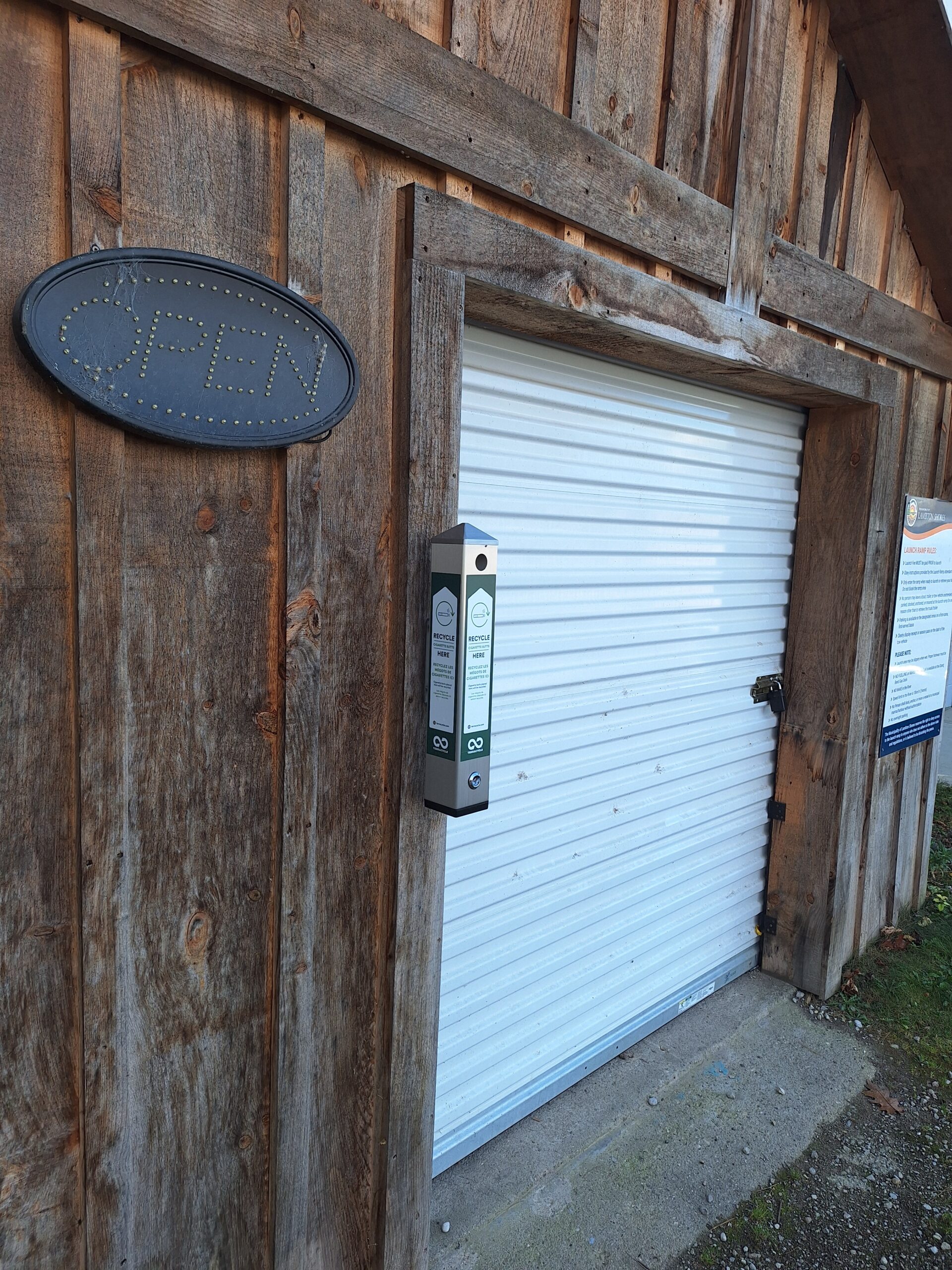
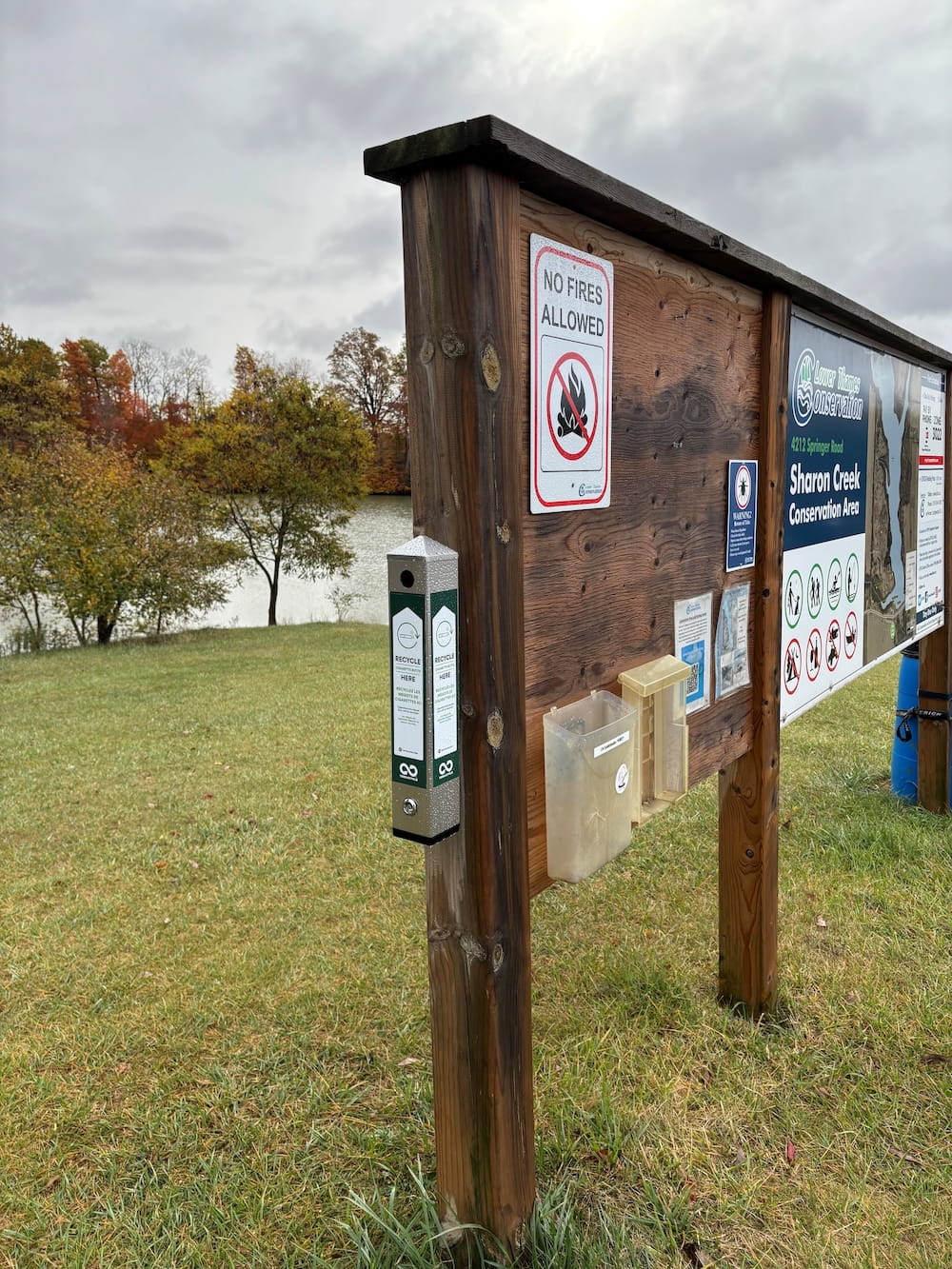
See the map below to find a recycling receptacle near you!
Partners




Plastic Pollution Prevention Toolkit
Based on findings from the survey, we developed a toolkit in collaboration with OFAH to help increase understanding about plastic pollution in the Great Lakes and best practices for reducing fishing-related plastic in the environment. The toolkit outlines simple, effective actions individuals can take to choose, maintain, and prevent the loss of their gear.
Inside the toolkit, you’ll find:
- An overview of how plastic pollution impacts water quality, fish and wildlife, and human health
- Practical guidance on reducing pollution from fishing line, soft plastic lures, and other gear
- Tips for choosing durable gear, managing fishing line responsibly, and disposing of waste
- Information on recycling options for fishing line
- Opportunities to take action, such as adopting a receptacle or reporting plastic pollution hotspots.
Want to get involved in this project and help protect the Great Lakes from plastic pollution?
You can participate in several ways:
- Adopt and help maintain a fishing line or cigarette butt recycling receptacle near you. You can help monitor or empty the bin, tracking and reporting the amount of waste collected.
- Report on any plastic pollution you find while out fishing through our tracking form.
- Build your own recycling receptacle!
Contact us for more information!