
Amped Up: Upskilling Canada’s Heavy-Duty Vehicle Mechanics to Support the Transition to Electric School Buses
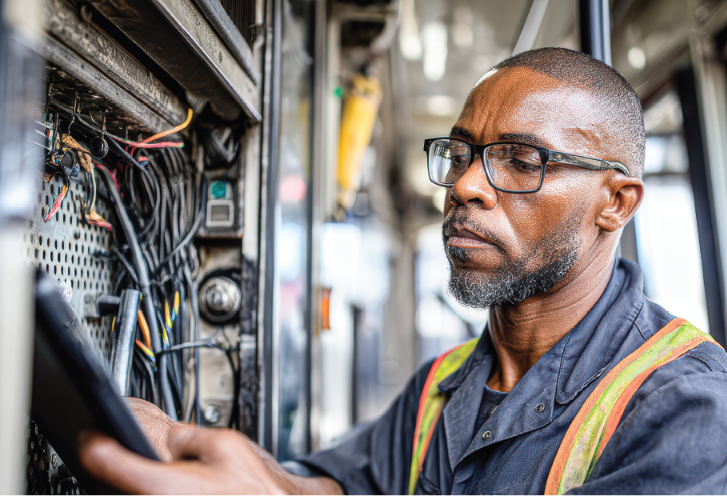
This report examines the workforce implications of Canada’s growing electric school bus (ESB) market. As fleets transition from diesel to electric vehicles, maintenance practices are shifting toward high-voltage systems, battery diagnostics, charging infrastructure, and software-based troubleshooting.
Developed by Pollution Probe in collaboration with Mobility Futures Lab and supported by the Future Skills Centre, this report assesses current training approaches, identifies workforce development gaps, and outlines recommendations to support the transition of heavy-duty diesel mechanics to electric school bus maintenance.
The research draws on interviews with Canadian and international fleets, a review of existing Canadian upskilling initiatives, and an assessment of international best practices related to electric school bus maintenance and technician training.
What You’ll Find Inside
- Key operational and maintenance differences between diesel and electric school buses
- Core training needs for technicians, drivers, and fleet personnel
- Analysis of existing upskilling programs and certification pathways
- Workforce challenges related to training access, standardization, and equity
- Policy and program recommendations to support workforce readiness in Canada
Why It Matters
Electric school bus deployment is accelerating across Canada, but workforce development systems have not evolved at the same pace. Without targeted training and clear certification pathways, fleets may face technical capacity gaps, increased reliance on manufacturers, and operational challenges as deployments scale.
This report provides practical guidance for policymakers, fleet operators, training institutions, and industry stakeholders working to ensure that Canada’s workforce is prepared to support the transition to electric school buses safely and effectively.